
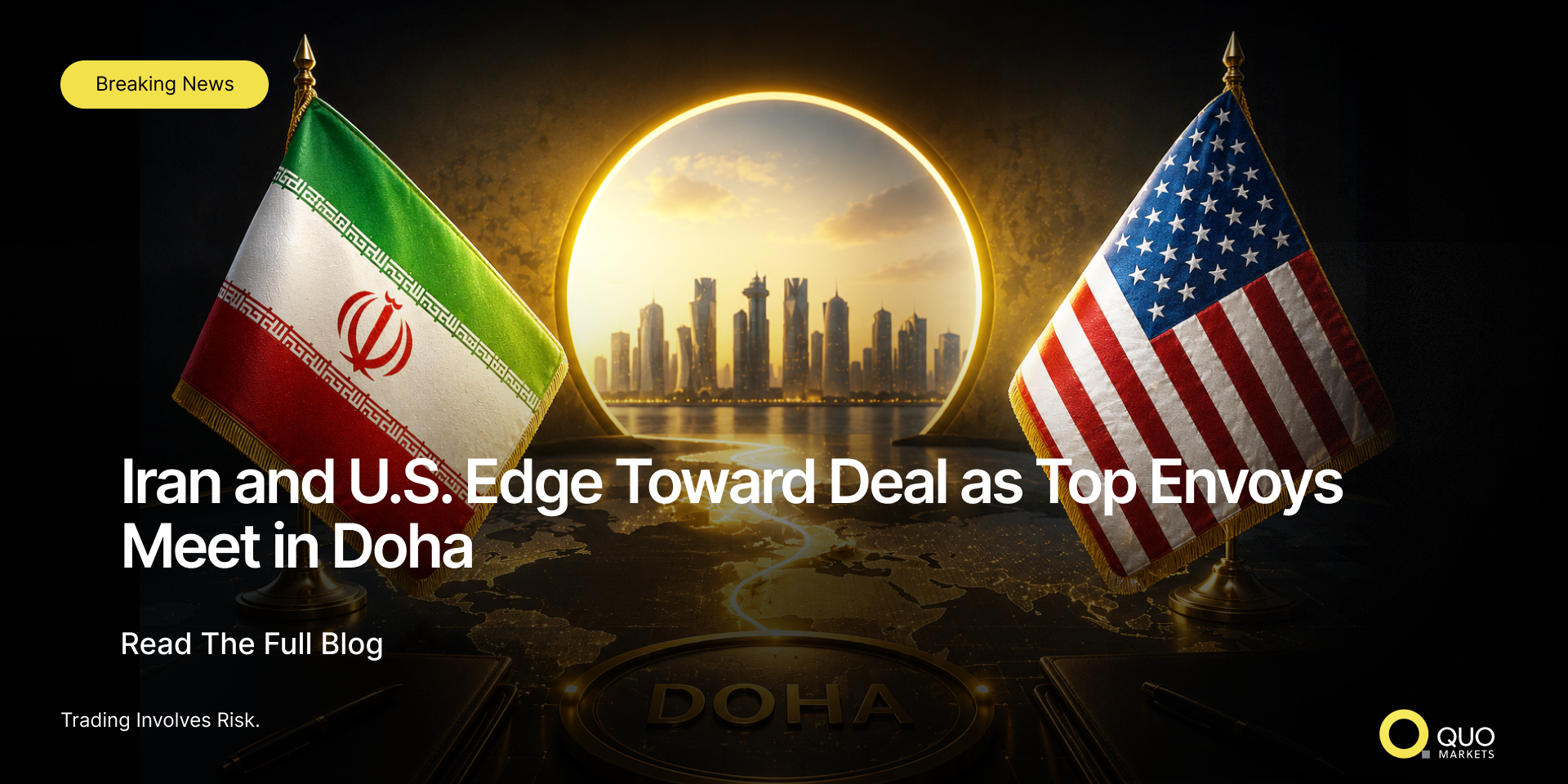
At the center of it all: a critical shipping lane, a nuclear stockpile, and billions in frozen cash
Iran’s foreign minister and chief negotiator flew to Doha this week to sit down with Qatar’s prime minister, as Washington and Tehran quietly work toward a framework that could end their three-month conflict. Neither side is getting ahead of itself, but these are real talks, and what’s on the table affects far more than just the two countries in the room.
What’s Actually Being Negotiated
The working document has 14 points. The core of it is straightforward: Iran reopens the Strait of Hormuz and guarantees safe passage through it. In return, the U.S. moves toward unfreezing tens of billions of dollars in Iranian oil revenues currently sitting in foreign banks. Iran’s central bank governor joined the delegation specifically to work through the financial side of that equation.
U.S. Secretary of State Marco Rubio called the proposal on the table “pretty solid.” His read: reopen the Strait, then use a 60-day window to begin separate talks on Iran’s nuclear program. On the Iranian side, foreign ministry spokesperson Esmaeil Baghaei acknowledged progress on “many topics,” but was careful to say that signing anything is still a long way off, and nuclear issues haven’t formally entered the conversation yet.
The Strait by the Numbers
Right now, Iranian state TV reports 32 vessels and five oil tankers transited the Strait of Hormuz in a single 24-hour period, each one cleared by Iran’s Revolutionary Guards. Before the conflict, that number was 125 to 140 ships per day. To put that in perspective: roughly one-fifth of the world’s oil and liquefied natural gas moves through that corridor. The economic ripple from even a partial closure reaches fuel pumps, fertilizer prices, and grocery bills worldwide.
How Markets Responded
Oil dropped more than 4% to a two-week low on Monday. That move was driven almost entirely by growing optimism that a deal, even a limited one, might actually come together.
Why Traders Should Pay Attention
A partial agreement would still be enough to shake things up. Energy stocks, regional currencies, and oil contracts are all sitting in a position where any headline from Doha can move them fast. The Hormuz disruption has already worked its way into global supply chains. A resolution, or even a credible step toward one, could reverse some of that pressure quickly.
The Two Things That Will Tell Us Where This Is Headed
Watch for whether a framework gets signed, and whether formal nuclear talks actually kick off within that 60-day window. Those two signals will determine whether this is a turning point or just another round of carefully worded statements.
Stay ahead of every market-moving headline with QuoMarkets.