
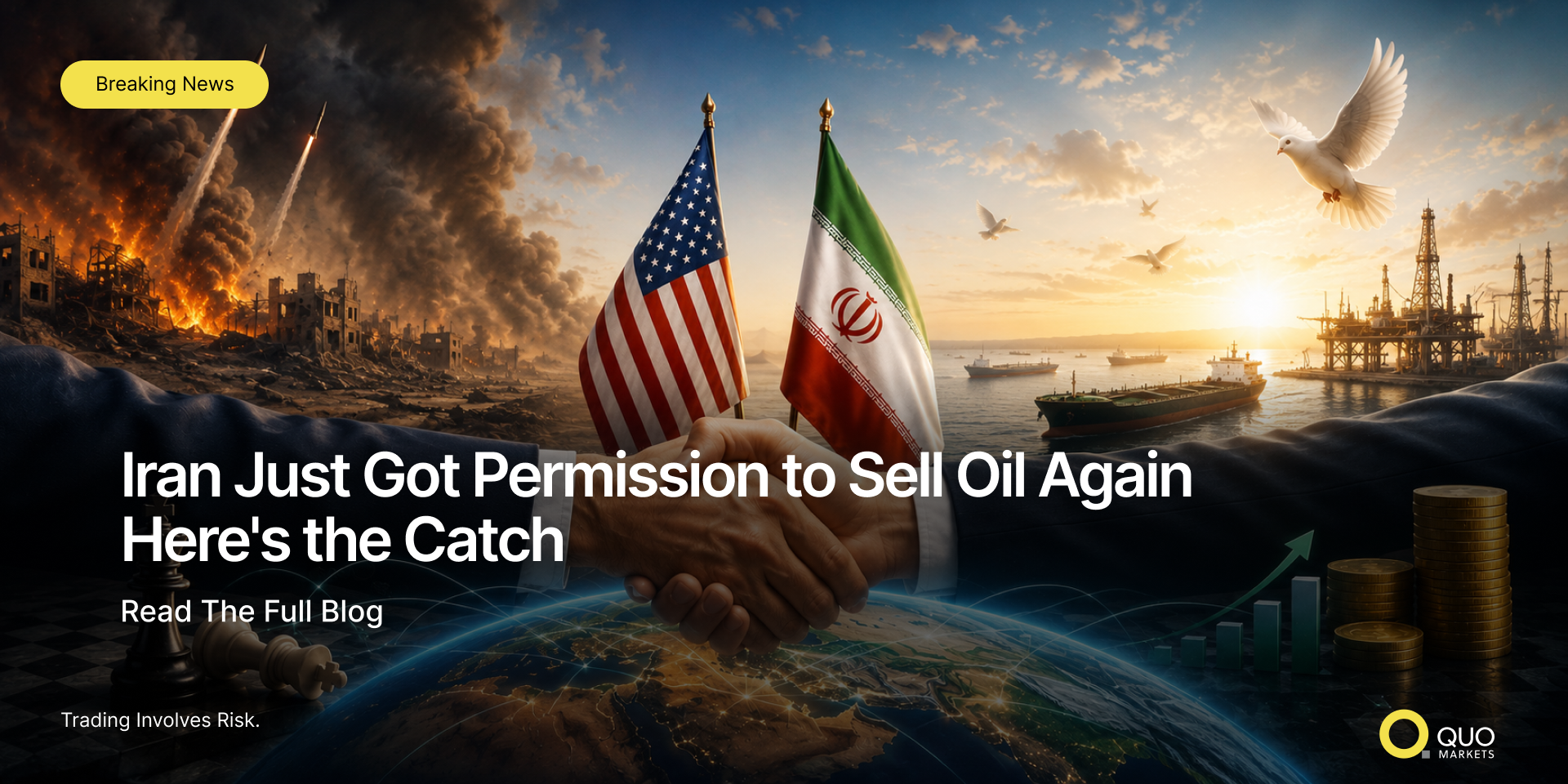
A formal signing is coming on Friday, but the hardest questions about Iran’s nuclear future remain unresolved.
Details are finally surfacing on the interim deal between Washington and Tehran meant to end the Middle East war. President Trump says it blocks Iran from getting a nuclear weapon, while a US official confirms Iran can resume oil sales once everything is signed.
What’s in the deal
The memorandum, signed but not yet public, stretches April’s fragile ceasefire by another 60 days so both sides can hammer out a lasting truce. The US will lift its blockade on Iranian ports. In exchange, Iran will reopen the Strait of Hormuz to oil tankers and shipping traffic it has effectively choked off since February 28. Iran can also start selling oil and fuel right away, with banking, transport, and insurance support built in to make those sales happen.
A possible $300 billion reconstruction fund is on the table, too, financed by Gulf states, contingent on Iran holding up its end.
Market reaction
Oil dropped over 2% Tuesday to fresh three-month lows, adding to Monday’s nearly 5% slide. Traders are pricing in calmer supply lines, even as energy officials warn regional output needs months to fully bounce back.
Why traders should care
Israel never sat at the negotiating table and is keeping its distance, which leaves a real question mark over whether this holds. Netanyahu says Israel won’t pull troops from southern Lebanon regardless of what Washington agreed to. Add in Hezbollah’s threats and Iran’s own warnings to Israel, and the calm in oil prices could prove fragile fast.
What to watch
Friday’s signing, congressional reaction in Washington, and whether Hormuz shipping traffic actually resumes will all move markets in the days ahead.
Stay ahead of every market-moving headline with QuoMarkets.