
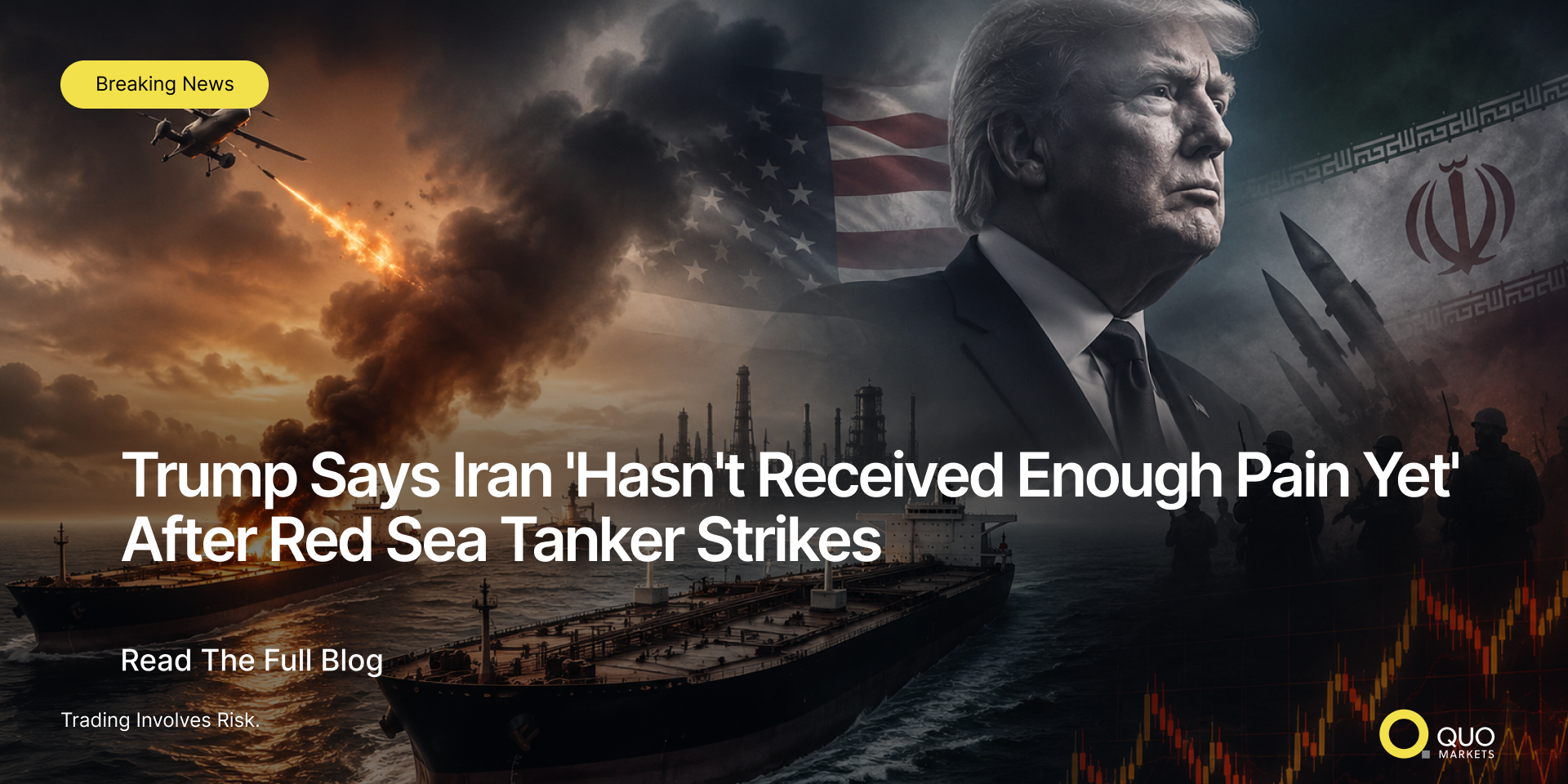
A widening attack on Red Sea shipping just gave global oil its sharpest jolt of the war, and traders are bracing for what comes next.
The Middle East war just opened a second front. After Houthi fighters struck two Saudi oil tankers in the Red Sea, President Trump warned Iran would face “major military punishment” if the attacks continue, blaming Tehran for arming its Yemeni allies.
What happened
The Houthis say they hit the tankers Encelia and Layla, and are now enforcing a naval blockade against Saudi Arabia. One tanker reportedly caught fire near the port of Jizan. It’s the 13th straight night of U.S. strikes on Iran, which has responded by firing on U.S.-linked targets in Kuwait and Jordan. Four people were killed in a U.S. strike on Ahvaz, Iran. Sources tell Reuters Iran flew missile equipment and military advisers into Yemen just before the blockade was announced.
Market reaction
Brent crude jumped over 6%, breaking above $100 a barrel for the first time since May – one of the war’s biggest single-day moves. Shipping insurance through the southern Red Sea has doubled, and tanker traffic through the Strait of Hormuz has slowed to a trickle.
Why it matters for traders
Two chokepoints are now effectively under threat instead of one. That’s pushing tankers onto longer, costlier routes around Africa, and it’s the kind of supply-shock scenario that can keep oil volatile for weeks, not days.
Congress is pushing back on the war at home, but Trump is reportedly weighing a bigger strike on Iran. Any confirmation would likely send oil and volatility even higher.
Stay ahead of every market-moving headline with QuoMarkets.
Source: Reuters