
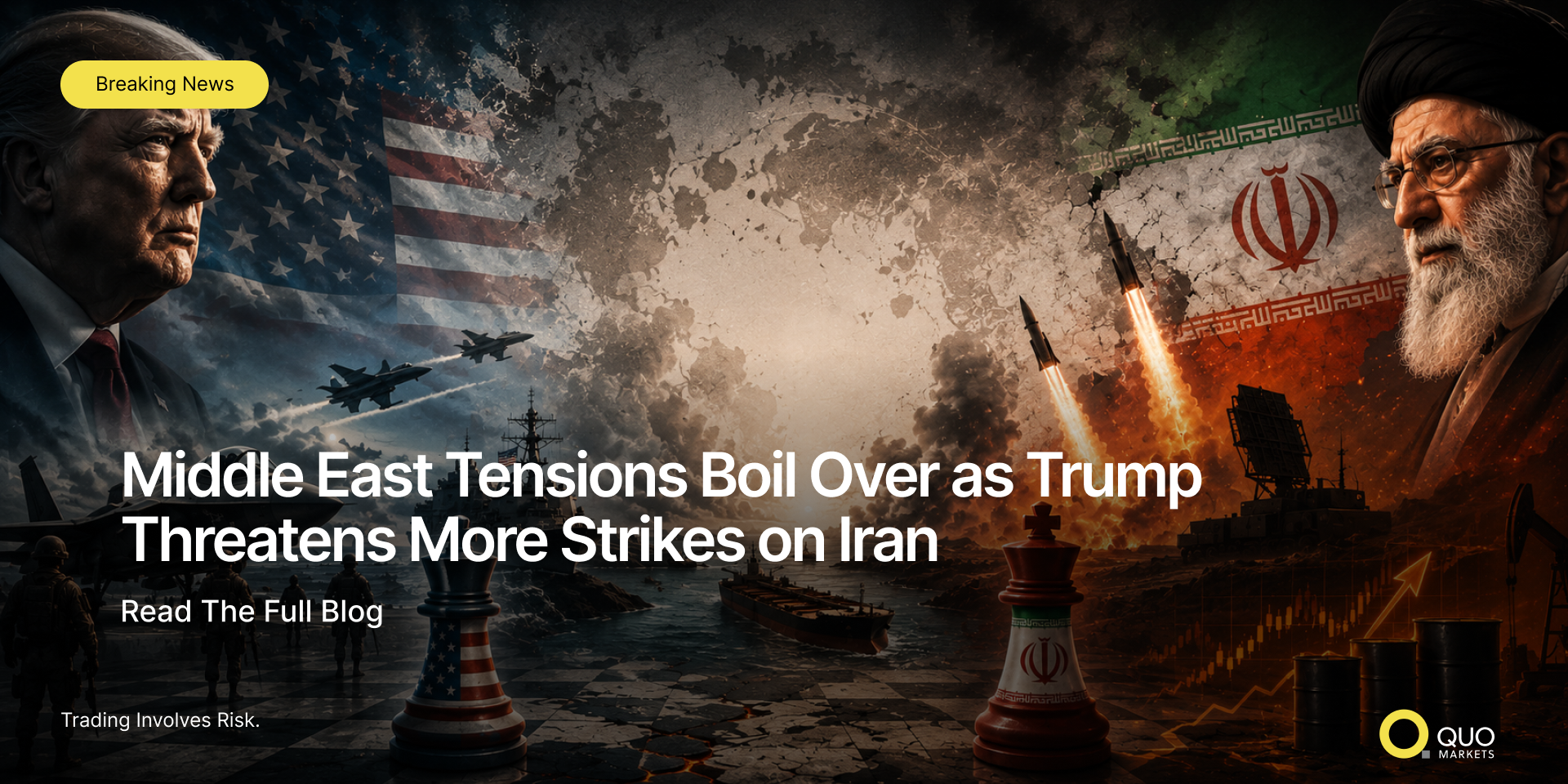
Trump threatens heavier bombing unless Tehran signs a peace deal immediately
The US and Iran exchanged air strikes for the second consecutive day Thursday, pushing a fragile April ceasefire to its breaking point and rattling global energy markets.
KEY DETAILS
The latest round of hostilities traces back to Monday, when Iran shot down a US Apache helicopter near the Strait of Hormuz. That triggered a series of retaliatory exchanges that have now stretched across two days.
US Central Command said its strikes hit Iranian military surveillance infrastructure, communication systems, and air defense sites. The operation lasted roughly four hours, concluding shortly after midnight Tehran time.
Iran’s IRGC fired back, targeting 18 US military positions, including airbases in Kuwait and Bahrain and the US Navy’s Fifth Fleet. It also launched 12 ballistic missiles at Jordan’s al-Azraq air base for the second night in a row. Kuwait temporarily closed its airspace before reopening it mid-morning. Bahrain said its defenses intercepted and destroyed the incoming attacks.
Iran claimed the Strait of Hormuz is fully closed and that two US vessels were fired on. US Central Command denied both, stating commercial shipping was still moving through the waterway.
MARKET REACTION
Oil jumped nearly $3 after Trump threatened further escalation, with gains extending into early Asian trading Thursday. The war has already disrupted roughly one-fifth of global crude oil and LNG supply.
WHY IT MATTERS FOR TRADERS
Every exchange of fire between the US and Iran is a direct pressure point on oil, shipping costs, and risk sentiment. With the Hormuz dispute unresolved and Trump linking military action to diplomacy, volatility is far from over.
WHAT TO WATCH
Iran’s next move on Hormuz, any signal from Tehran on a deal, and Trump’s follow-through on threatened strikes.
Stay ahead of every market-moving headline with QuoMarkets.