At a Glance
- U.S. Treasury Secretary calls new sanctions an “economic D-Day.”
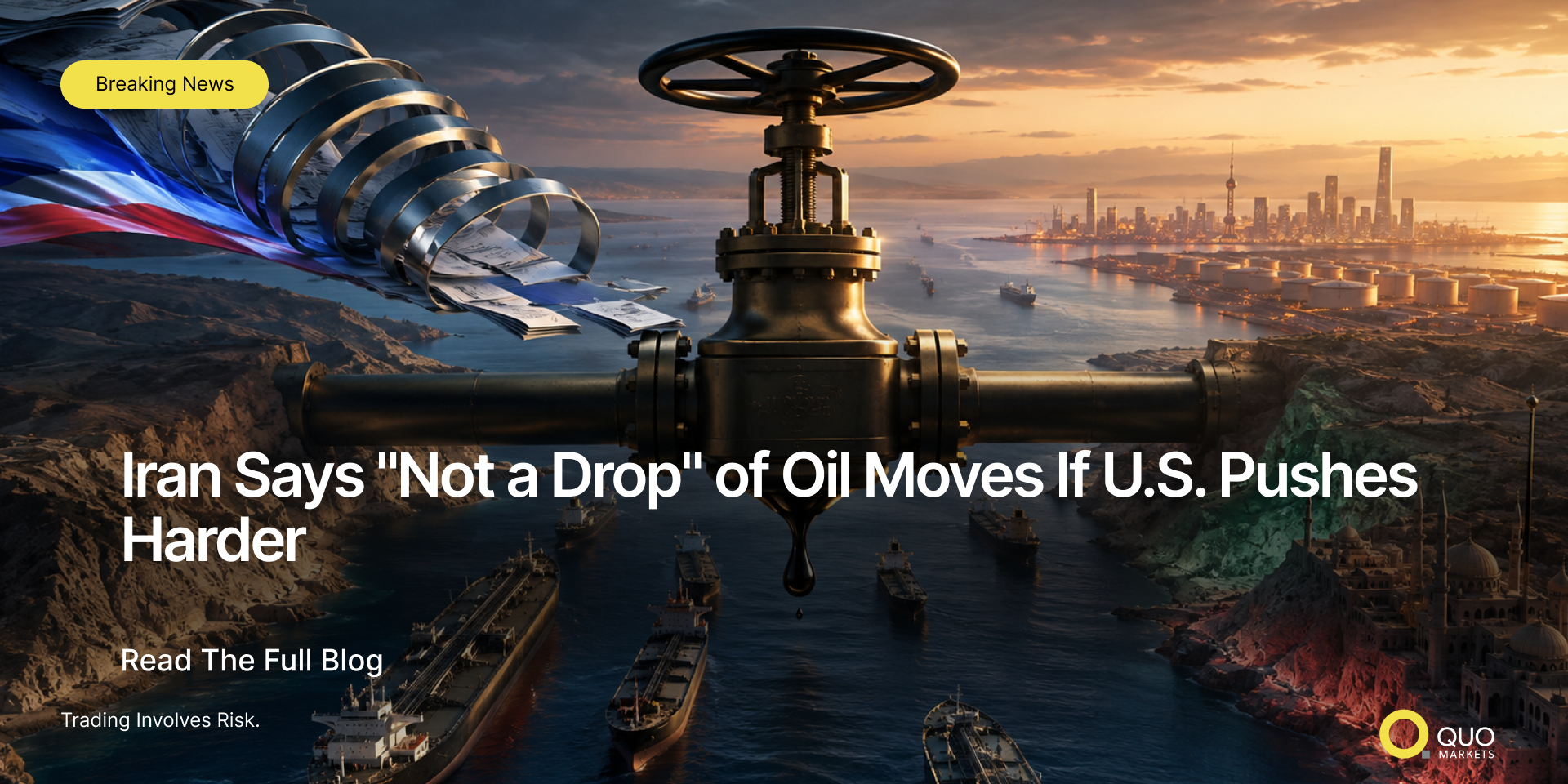
- Iran threatens to halt ALL Gulf oil exports if the economic war continues.
- Oil prices dropped over $1 a barrel as markets wait for the official announcement.
- China is caught in the middle, with Washington pressuring Beijing to cut ties with Tehran.
Washington is about to drop its heaviest financial hammer yet, but Tehran is already raising the stakes.
The U.S. is preparing to roll out a fresh wave of sanctions against Iran on Monday, and the rhetoric is getting dangerously sharp. Washington calls it an economic knockout blow. Iran calls it a red line, and says if pushed, it will choke off the region’s oil entirely.
KEY DETAILS
Treasury Secretary Scott Bessent penned an op-ed in the Financial Times promising the “greatest financial offensive ever marshalled” against an adversary. He’s set to speak at 1 p.m. EDT on Monday, and the message is clear: any country still doing business with Iran will face consequences.
Iran hit back hard. Mohsen Rezaei, secretary of Iran’s Supreme National Security Council, posted a warning: if the economic war continues, “not a single drop of oil” will leave the Persian Gulf or the Strait of Hormuz. He also said any nation supporting America’s campaign would be treated as an enemy.
The numbers are stark. Since February 28, U.S. and Israeli strikes have killed thousands, mostly in Iran and Lebanon, and wiped out much of Iran’s conventional military power. Iran’s Supreme Leader is dead. But Iran still has missiles and drones aimed at Gulf neighbors and tankers.
MARKET REACTION
Oil prices eased more than $1 a barrel on Monday, with Brent at $93.16 and WTI at $85.70. Traders took profits ahead of the announcement, even though supply disruptions are already real. Shipping through the Strait has slowed to a crawl, and Middle East exports are back to levels not seen since March or April.
WHY IT MATTERS
For traders, this is a powder keg. If Iran follows through, global supply tightens overnight. If the U.S. sanctions actually bite, Iran may lash out militarily. Either way, volatility is guaranteed. China, which gets half its oil imports from the Gulf, is being squeezed to pick a side.
Diplomatic backchannels are buzzing – Pakistan’s army chief is visiting Tehran on Monday, but there’s no sign of direct U.S.-Iran talks. The next few days will show whether Tehran’s hardliners or pragmatists are in control.
Watch the Strait. Watch China’s next move. And watch oil react.
Stay ahead of every market-moving headline with QuoMarkets.
Source: Reuters